
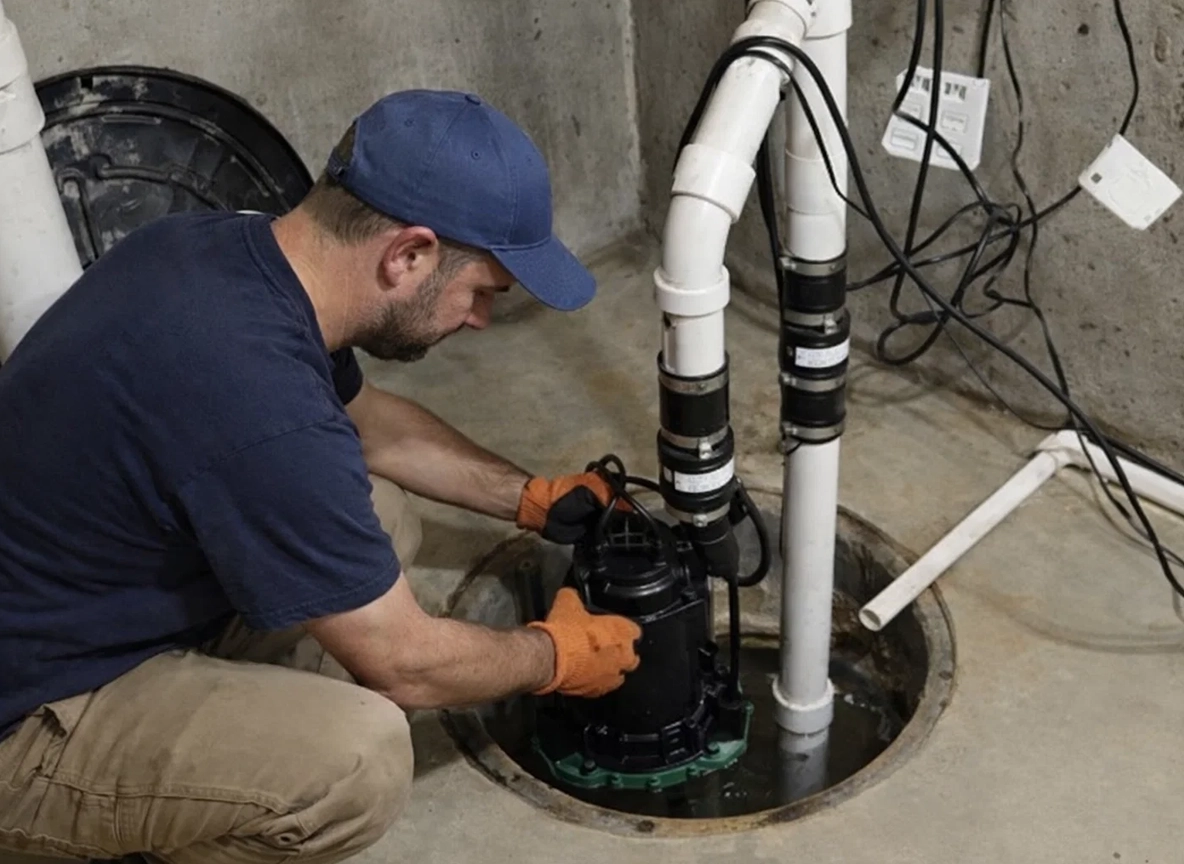
As winter transitions into spring, melting snow and seasonal rain can place extra strain on your home’s drainage system. Your sump pump plays a critical role in protecting your basement from water intrusion, but it can only do its job if it is properly maintained. Scheduling sump pump maintenance in March helps ensure the system is ready before heavy moisture levels arrive.
Why Spring Preparation Matters
During the colder months, sump pumps may run less frequently, which can allow debris to settle in the pit or mechanical components to stick. When the spring thaw begins, groundwater levels rise and the pump must operate more often.
If the system has not been inspected, minor issues can go unnoticed until the pump is needed most. A proactive check in early spring helps prevent unexpected failures and reduces the risk of basement flooding.
Test the Pump for Proper Operation
One of the most important maintenance steps is testing the sump pump. Pouring water into the pit allows you to confirm that the float switch activates the pump and that water is discharged properly.
If the pump does not turn on, runs continuously, or makes unusual noises, it may require professional service. Identifying these issues early helps prevent system failure during periods of heavy rain.
Inspect the Discharge Line
The discharge line carries water away from your home’s foundation. Over the winter, this line can become blocked by debris or affected by freezing temperatures.
Check that the line is clear and positioned to direct water away from the property. A blocked or damaged discharge line can cause water to flow back into the pit, reducing the effectiveness of the sump pump.
Clean the Sump Pit
Debris such as dirt, gravel, and sediment can accumulate in the sump pit over time. This buildup may interfere with the pump’s ability to operate efficiently and can clog internal components.
Cleaning the pit helps maintain proper pump performance and reduces the likelihood of mechanical issues. Removing debris also allows the float switch to move freely.
Check the Float Switch
The float switch is responsible for turning the pump on and off as water levels change. If it becomes stuck or obstructed, the pump may fail to activate when needed.
Ensuring the float moves freely and is not restricted by debris is an essential part of spring maintenance. A properly functioning switch allows the pump to respond quickly to rising water levels.
Address Minor Repairs Early
Small issues such as worn check valves, loose connections, or unusual vibrations can develop over time. While these may not cause immediate failure, they can reduce the system’s reliability.
Having a professional inspect and repair these components in March helps ensure your sump pump operates efficiently throughout the spring season.
Protect Your Home from Water Damage
A well-maintained sump pump is one of the best defenses against basement flooding. Taking the time to test, clean, and inspect the system before heavy rain arrives provides peace of mind and helps protect your home from costly water damage.
For professional sump pump maintenance and repairs, contact Triple-O Heating, Cooling, Electrical & Plumbing today. Your One-stop Shop for HVAC, Plumbing and Electrical. We are an official New York State Clean Heat Contractor and you can be eligible for up to $4,900 in rebates from NY state!