
At Triple-O, we help homeowners choose the right water heating system for comfort, efficiency, and long-term savings. Whether you’re replacing an old unit or building new, understanding your options is essential. If you’re searching for reliable plumbing in Rochester services or planning a water heater upgrade, we’re here to guide you every step of the way. Water Heater Installation: Tank vs. Tankless for Your Home comes down to lifestyle, budget, and efficiency needs.
Understanding the differences early helps you avoid costly mistakes and ensures your system is sized correctly for long-term comfort and efficiency in your home. Schedule a consultation today.
How Tank Water Heaters Work
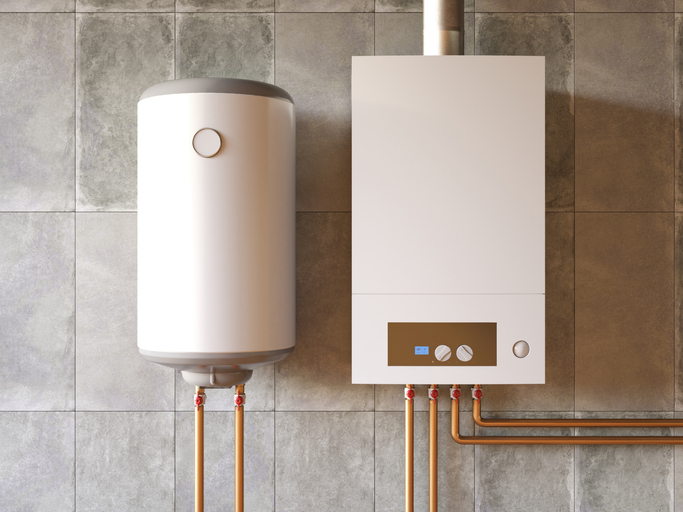
Traditional tank water heaters store a set amount of hot water, typically 40–80 gallons, and maintain a constant temperature. When you use hot water, the tank refills and reheats, which is known as the recovery rate. A higher recovery rate means faster hot water availability after heavy use. Pros include lower upfront cost, simpler installation, and reliable performance for households with predictable usage. Cons include standby heat loss, higher energy use over time, and a limited hot water supply if demand exceeds tank capacity.
Proper maintenance, including flushing sediment, can also extend lifespan and improve efficiency over time for tank systems.
How Tankless Water Heaters Work
Tankless water heaters heat water on demand rather than storing it, providing an endless supply of hot water as long as the system can keep up. They typically have higher efficiency because they eliminate standby heat loss. Recovery rate is effectively immediate since water is heated as it flows through the unit, but flow rate becomes the limiting factor. Pros include energy savings, compact size, and continuous hot water. Cons include higher upfront cost, possible limitations during simultaneous usage, and sometimes the need for gas line or electrical upgrades.
These systems are especially beneficial in smaller homes where space savings and energy efficiency are top priorities.
Tank vs Tankless Comparison
Choosing between tank and tankless systems often comes down to household demand and efficiency priorities. Tank systems offer strong recovery rates depending on fuel type and burner capacity, making them ideal for homes with steady but high simultaneous usage. Tankless systems don’t store hot water, so their effective recovery is instant, but they are limited by flow rate in gallons per minute. While tanks may waste energy through standby heat loss, they provide consistent output during peak demand. Tankless units reduce energy waste but may struggle when multiple showers or appliances run at once. Maintenance and installation complexity also differ significantly.
Proper sizing ensures optimal performance in either system. Home energy codes and utility incentives can also influence which system delivers the best long-term value for your situation.
When to Choose a Tank or Tankless
If you prioritize lower upfront cost and already have a traditional setup, a tank water heater may be best. If you value energy efficiency, space savings, and endless hot water, tankless is worth considering. We help you evaluate your home’s plumbing, usage patterns, and budget so you get the right fit every time. Reach out anytime for expert guidance.
Contact Triple-O Heating, Cooling, Electrical & Plumbing—Your One-stop Shop for HVAC, Plumbing, and Electrical to schedule your spring AC tune-up today.