
As the summer heat fades and cooler temperatures settle in, your household water heater faces an increased workload. Showers, cooking, and laundry all rely on hot water, and the transition into fall and winter can put additional stress on older or inefficient units.
For homeowners, recognizing the warning signs of a failing water heater and addressing them before the cold months arrive is critical for comfort, safety, and energy efficiency.
Why Fall Is the Best Time to Check Water Heater Readiness
During the summer, many households use less hot water, as cooling and outdoor activities dominate daily routines. However, once temperatures drop, hot water demand rises sharply. Families rely on warm showers to start the day, dishwashers and washing machines run more frequently, and home heating systems may also integrate with water heaters in some setups.
This added demand can expose the weaknesses of an aging water heater. A unit that struggled during summer is unlikely to handle peak usage efficiently in the cooler months, potentially leading to inconsistent water temperatures, increased energy bills, or even complete failure at the worst possible time.
Warning Signs Your Water Heater Needs Replacement Before Fall
Homeowners should watch for several key indicators that a water heater is approaching the end of its lifespan:
- Inconsistent water temperature – Fluctuating water temperatures, lukewarm showers, or slow recovery times after use can signal worn heating elements or thermostat issues.
- Strange noises – Rumbling, popping, or hissing sounds often indicate sediment buildup at the bottom of the tank, which can reduce efficiency and eventually damage the unit.
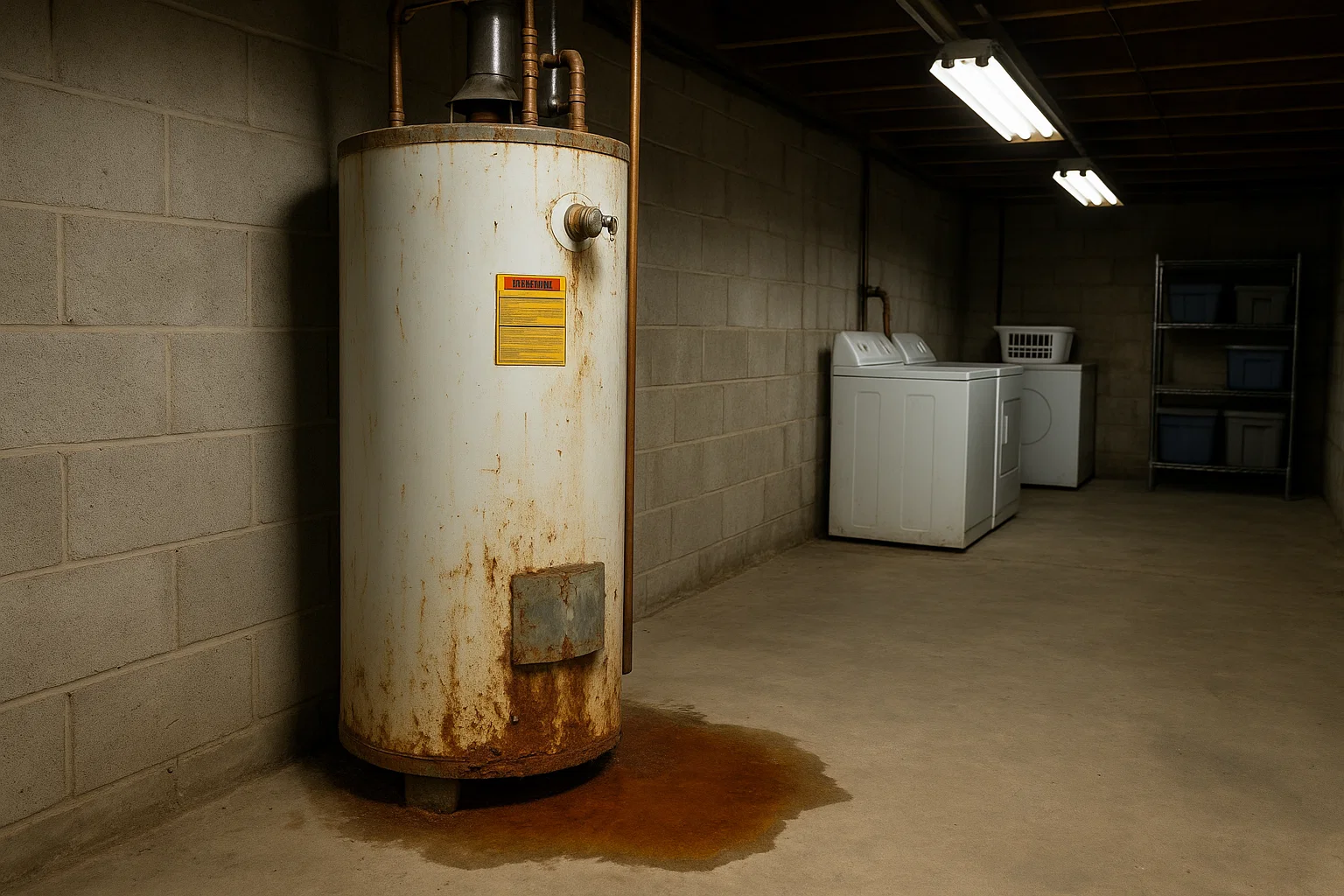
- Rust or corrosion – Discoloration around the tank, pipes, or water itself may point to corrosion, which weakens the structure and increases the risk of leaks.
- Leaks or moisture – Any signs of water pooling around the base of the unit are a serious warning that replacement may be necessary.
- Age of the unit – Most traditional water heaters last 10–15 years. If your unit is nearing or past this mark, proactive replacement can prevent unexpected failures.
Benefits of Replacing Your Water Heater Early
Replacing a water heater before it fails has several advantages:
- Reliability during cooler months – A new unit ensures consistent hot water supply, even when demand is high.
- Energy efficiency – Modern water heaters are far more efficient than older models, helping reduce utility bills during the heating season.
- Peace of mind – Avoid emergency repairs or water damage from unexpected leaks during colder months.
- Enhanced comfort – Enjoy reliable hot water for showers, baths, and household chores without interruption.
How Energy Efficiency Impacts Water Heater Performance and Costs
As families increase their hot water use in the fall and winter, energy efficiency becomes a key consideration. Older water heaters not only struggle with peak demand but also consume more electricity or gas to maintain temperature. Upgrading to a high-efficiency unit can reduce monthly utility bills, lower environmental impact, and provide better performance for your household needs.
Stay Ahead This Fall
Don’t wait until cold mornings reveal a failing water heater. By recognizing the warning signs and acting early, you can enjoy uninterrupted hot water, improved energy efficiency, and peace of mind throughout the fall and winter seasons.
Frequently Asked Questions
Question: How can I tell if my water heater needs to be replaced before fall?
Answer: Common signs include inconsistent hot water, unusual noises from the tank, visible corrosion, leaks, or water that looks rusty or cloudy. If your water heater struggles to keep up as temperatures drop, it may be nearing the end of its lifespan and due for replacement.
Question: How long does a typical water heater last?
Answer: Most traditional tank water heaters last about 8 to 12 years with proper maintenance. As a unit ages, efficiency declines and the risk of leaks or breakdowns increases, making replacement a smarter option than repeated repairs in many cases.
Question: Why is fall a good time to replace a water heater?
Answer: Fall is ideal because demand is usually lower than in winter, allowing more flexibility for scheduling. Replacing an aging water heater before cold weather arrives helps prevent unexpected failures when hot water is needed most for daily comfort.
Question: What noises from a water heater signal a replacement is needed?
Answer: Popping, rumbling, or banging noises often indicate sediment buildup inside the tank. Over time, this buildup reduces efficiency and can damage the unit, which may signal that replacement is more cost effective than continued maintenance.
Question: Is replacing a water heater better than repairing it?
Answer: Replacement is often recommended when a water heater is old, inefficient, or experiencing frequent issues. Newer models offer better energy efficiency, improved performance, and greater reliability, helping homeowners avoid emergency breakdowns and rising repair costs.
If you need help with heating services in Brighton, NY, contact Triple-O Heating Cooling Electric & Plumbing today! Schedule service with Triple-O Mechanical: Your One-stop Shop for HVAC, Plumbing, and Electrical.